Between Conservative and Critical Epistemology – New Book Review in the Deutsche Zeitschrift für Philosophie
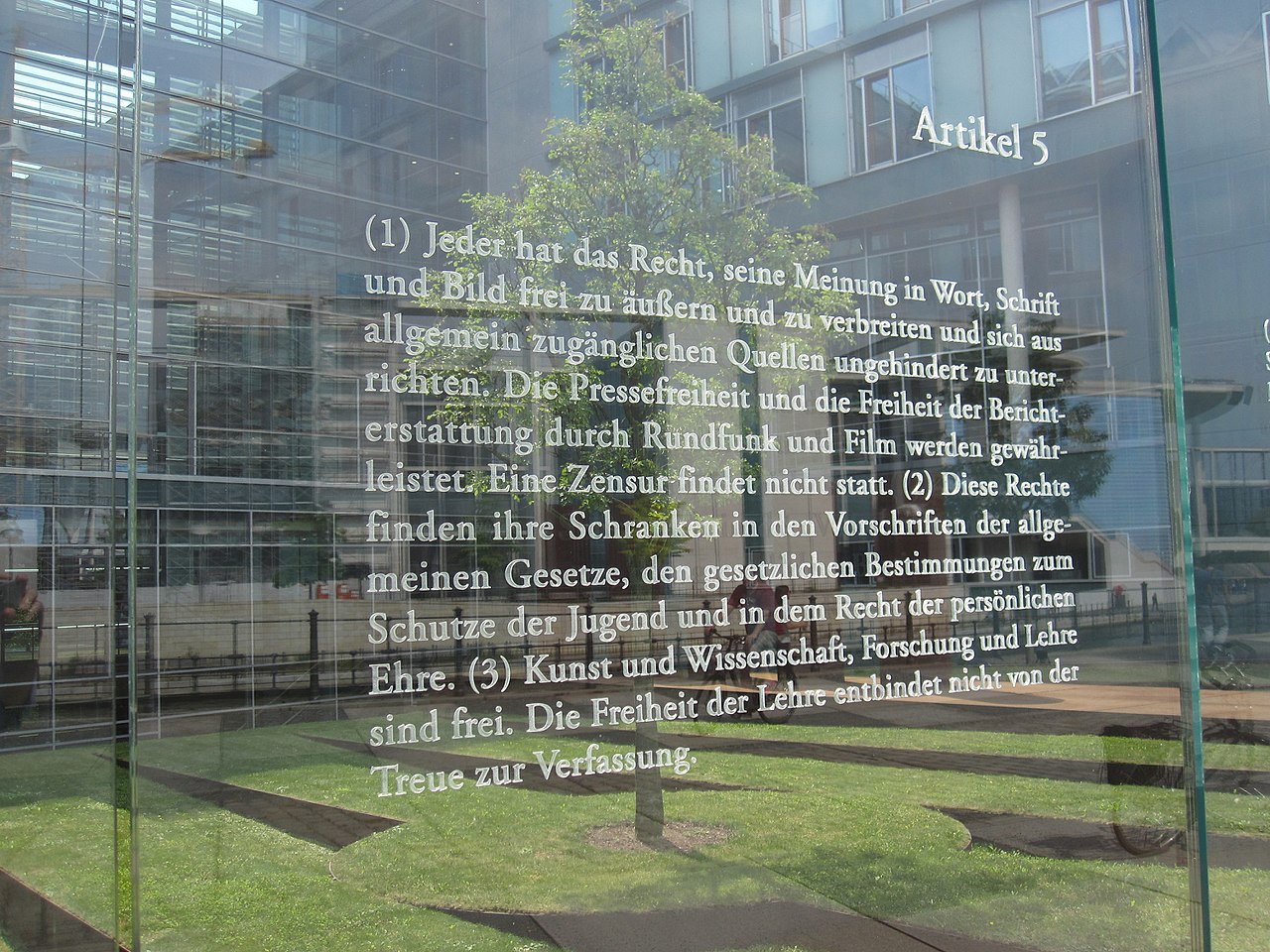
In the Deutsche Zeitschrift für Philosophie (DZPhil 74/1, 2026), I have published a book review of Tim Henning’s Wissenschaftsfreiheit und Moral (Suhrkamp 2024).
I recognise Henning’s book as an important contribution to the ongoing debate on academic freedom: using the tools of analytic philosophy, he argues that moral criticism of research does not constitute an illegitimate restriction on academic freedom — a charge that conservative actors regularly level against critical research. His key argument turns on the concept of error costs: the more severe the consequences of a scientific claim turning out to be false, the higher the evidential standard must be. In this way, moral considerations find a legitimate place within an otherwise evidentialist conception of science.
I also identify the limits of this approach. Henning’s evidentialism presupposes a clean separation between descriptive science and moral evaluation that cannot be sustained in the social sciences and humanities. As a result, his narrow framework implicitly excludes the bulk of critical research — precisely the research at the centre of the academic freedom debate. I further situate the book within a first phase of the debate (alleged internal restrictions on academic freedom by critical researchers) and contrast it with the current second phase, which concerns actual state-imposed restrictions: in Germany in the context of the debate over antisemitism definitions, and in the United States through the Trump administration’s right-authoritarian higher education policy.
Cite and Read
Schubert, Karsten (2026): Zwischen konservativer und kritischer Epistemologie. In: Deutsche Zeitschrift für Philosophie, 74 (1), 106–116. https://doi.org/10.1515/dzph-2026-0008
Related Posts
- New Publication: Defending Plurality. Four Reasons Why We Need to Rethink Academic Freedom in Europe, 19. April 2021
- EARS: Scale to measure epistemological attitudes, 26. February 2024
- New Journal Article: Two Concepts of Academic Freedom. The Relation Between Academia and Politics, 13. September 2023
- Online Evening Lecture: The Relationship between Academia and Politics in the Debate on Academic Freedom, 12. May 2022
- Teaching in the winter term: Struggles about academic freedom and freedom of expression (MA) and Identity Politics (BA, in English), 2. November 2021
Academic FreedomEpistemologyCritical TheoryAnalytic PhilosophyBook Review
251 Words
2026-03-03 07:00 +0100